Spring Seeding
5 Steps to Lawn Glory

Spring Forward Without Falling Back Later
Every great lawn has a starting point, and for most of us, it’s not perfect. Even the best lawns need a reset. Maybe yours feels patchy, faded, or just tired. Spring is your chance to start strong, and Uncle’s five-step system makes it easy to rebuild your grass from the soil up.

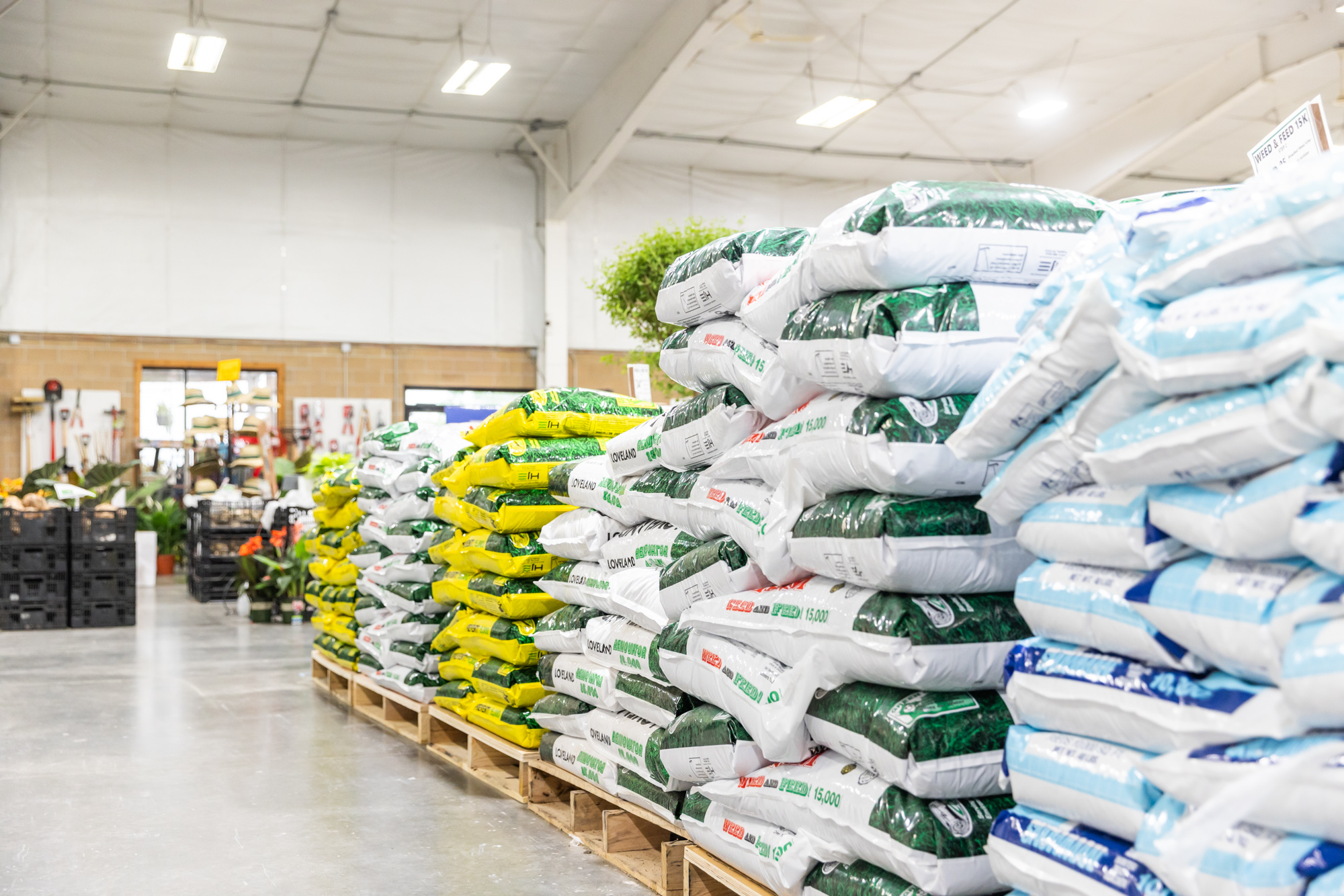
Step 1: Renovator®
Apply in: February – March
Apply Renovator!® in early to mid-March. This professional lawn food will feed the existing turf and provide food for new seed. Water in with at least 1/2″ of water. For smaller lawns, use Golf Course Starter.
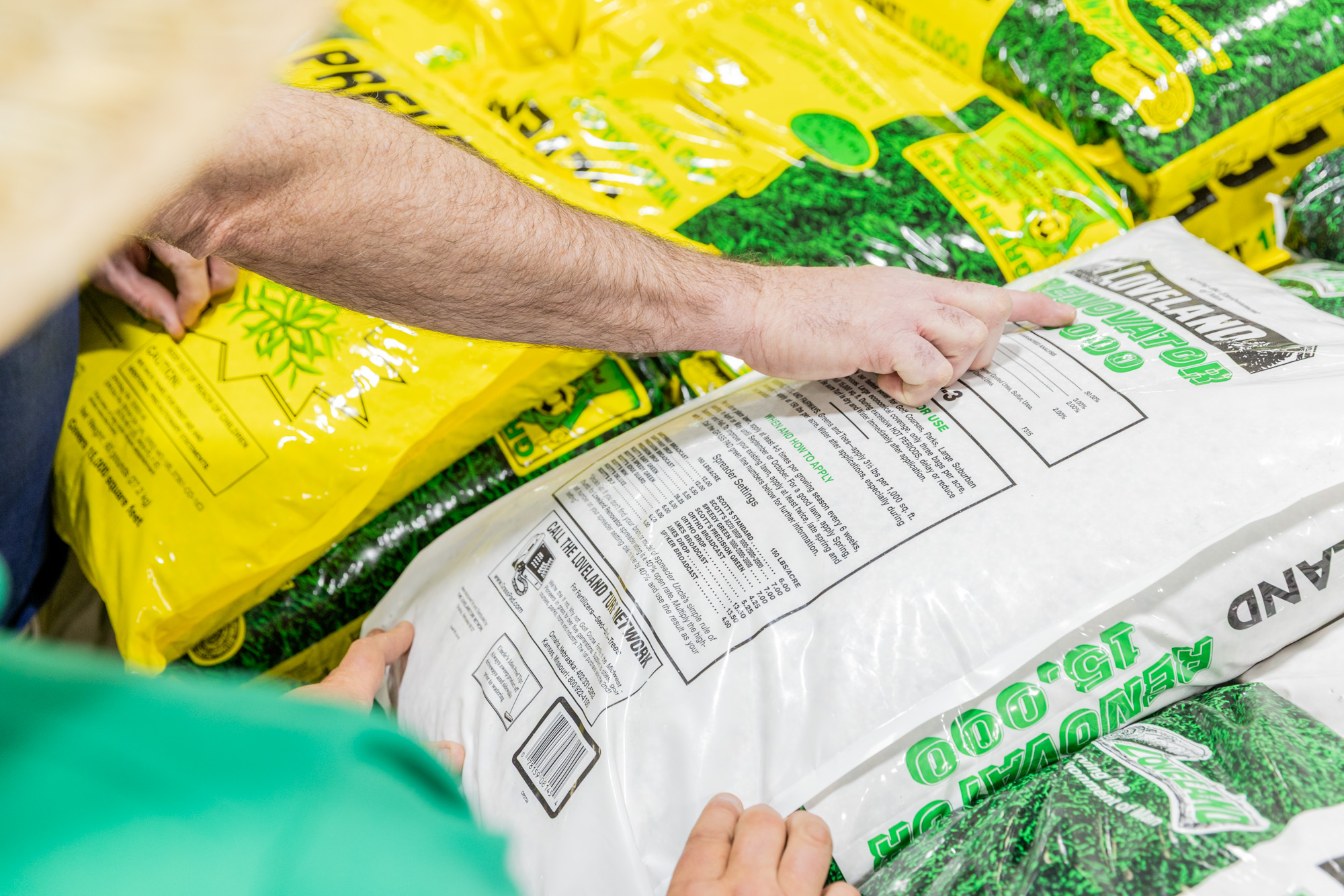
Step 2: Seed Safe®
Apply in: Mid-April
Apply Seed Safe® in mid-April. This crabgrass pre-emergent and lawn food will stop crabgrass from sprouting while letting your good grass grow. Water in with at least 1/2″ of water.
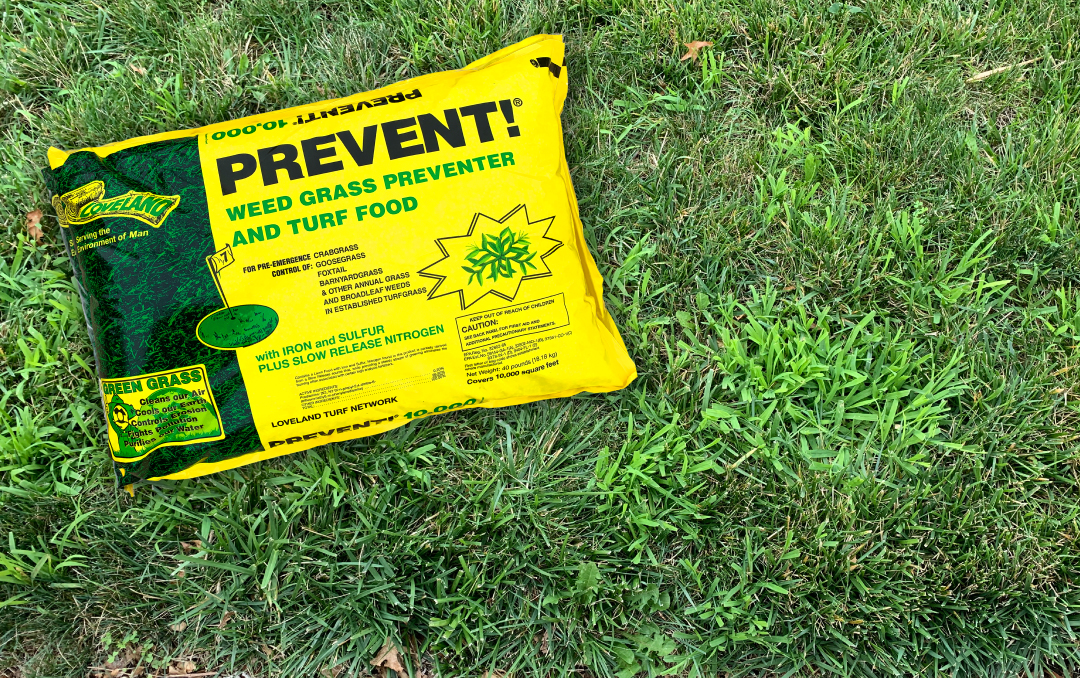
Step 3: Prevent!®
Apply in: May – June
Apply Loveland Prevent!® in mid-May to early June to prevent crabgrass during the hot summer months. Make sure all new grass seed planted in the spring has germinated and has been mowed 2-3 times before applying. Water in with at least 1/2″ of water.

Step 4: Renovator®
Apply in: September – October
Apply Loveland Renovator!®, in early September through October. Put down at the same time as your fall overseeding. Renovator helps turf recover from summer stress and feeds the new seed. Water in with at least 1/2″ of water. For smaller lawns, use Golf Course Starter.
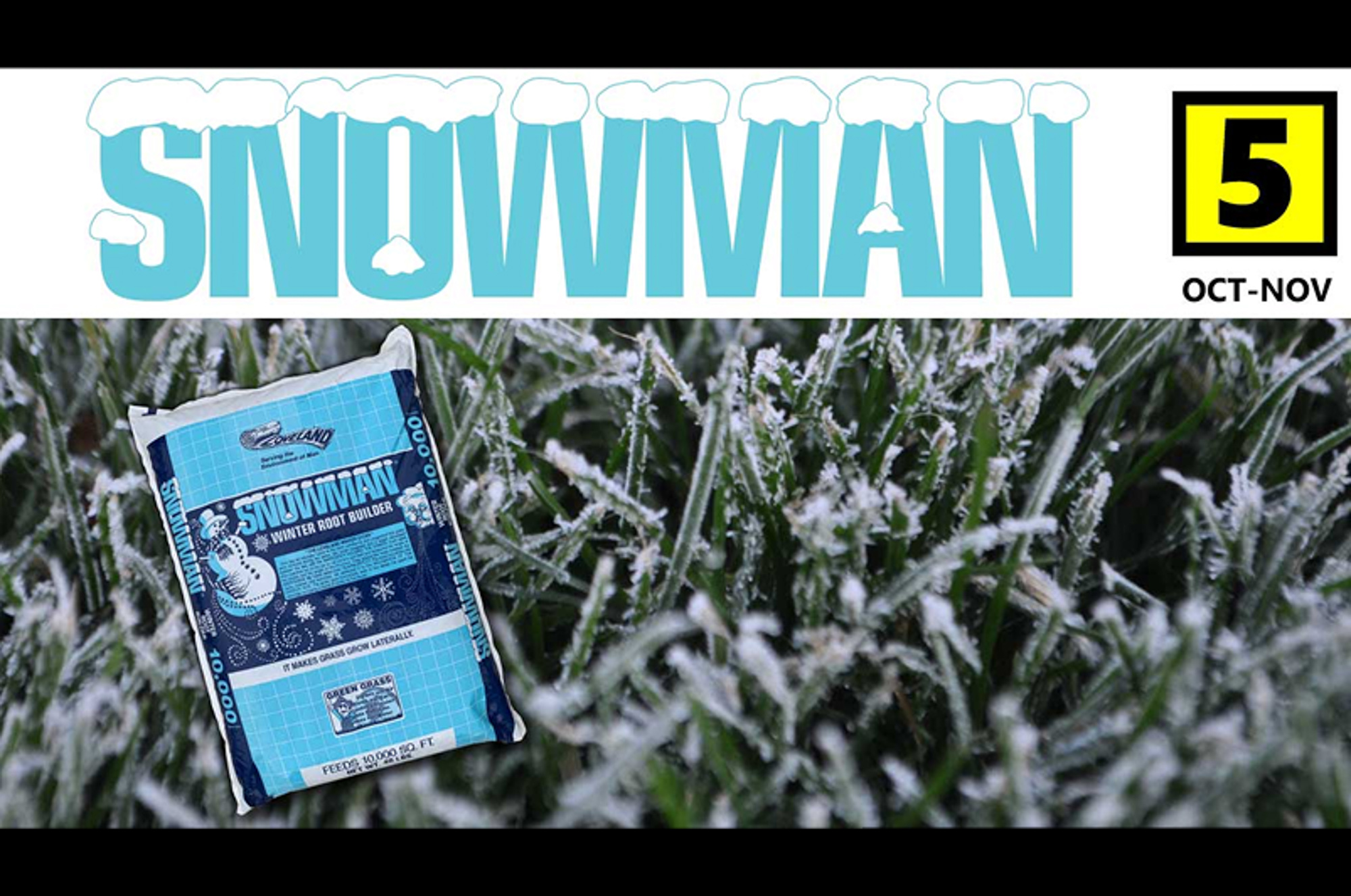
Step 5: Snowman®
Apply in: October – November
Apply Snowman Winter Root Builder around Thanksgiving. This high phosphorus and potash formula encourages root growth, disease resistance, drought and traffic tolerance as well as early spring green up.

Lawns so Good, We Had to Show Them Off
-
I have been using the 15,000 5 step Seed Safe Program with grub killer and Estate Mix grass seed for a few years now. Love the results!!
- Matt N. (Elkhorn, NE)
 I have been using the 15,000 5 step Seed Safe Program with grub killer and Estate Mix grass seed for a few years now. Love the results!!
Matt N. (Elkhorn, NE)
-
-
DIY
Five Smart Tips for Summer Lawn Survival
-
DIY
What’s the Difference Between Prevent and Weed and Feed?

After applying Renovator® in February or March, wait about three weeks before applying Seed Safe. That timing allows Renovator® to feed your existing turf and support early root development. Mid-April is the sweet spot, just as soil temps rise and crabgrass starts to stir.
If mid-April has come and gone, you’ve still got options. You can still apply Seed Safe® later in April, but be realistic—its pre-emergent power diminishes as soil warms.
Yes. Water all steps of the Seed Safe Lawn Program with ½” of water within 24 to 48 hours of application. This activates the nutrients and helps them reach the root zone where they can actually do their job.
Cutting the grass short (but not scalping it) helps the product reach the soil surface where it does its job best. It also gives new seed more sunlight and space to grow without competing with long blades.
A light or moderate rain is actually a good thing because that’s Mother Nature helping activate the fertilizer, which can increase absorption into the soil. If there’s a heavy downpour, some surface product may shift, but the nutrients will still soak in where needed. Just check for puddling or runoff, and reapply lightly in any bare patches if needed.